For a more comprehensive list of sources see: Sources of lead
2) Exhaust emissions from
leaded petrol driven vehicles were another 3) Dust in the roof void (attic), wall cavity or under floor area is often contaminated with lead. So if a ceiling or wall is to come down, or a skylight or attic ladder is to be installed, care must be taken to prevent contamination of living spaces. 4) Workers such as furniture restorers, leadlighters, car battery and radiator workers and painters can bring home lead dust on their clothes and their children are poisoned as a result. Hobbyists such as fishermen making sinkers, shooters at indoor firing ranges or miniature collectors are also at risk. 5) The first flush of
water in the morning or during the night should not be given to babies or young children
because lead can leach into water. New taps can contain 4.5% lead and older taps may
contain even more. New plumbing may leach lead for up to five years! A water filter may be
the answer for your family Some food cans sold in
Australia STILL have lead solder. These cans are usually irregular in shape with a
thick seam and horizontal depressions (dents). This is a source of lead that is EASILY
avoided by buying a non lead-soldered product which has a flat welded seam. 7) If you are a gardener some above ground crops such as tomatoes and beans are better grown in "leaded soils" than root vegetables e.g potatoes and carrots. Also all produce, especially root vegetables, should be carefully washed or peeled before eating to minimise any risk. Vacuum cleaner dust should not be put in the compost bin as this dust can contain high levels of lead. 8) Pets often show
WHAT CAN WE DO TO PROTECT OURSELVES FROM LEAD?
If you or a child may have been exposed to lead the only reliable way of knowing is to have a blood lead test conducted. Ask your GP.
If you
would like more information please phone For a more comprehensive list of sources see: Sources of lead |
||||||||||||||||||||||
The LEAD Group Inc. Fact Sheet Index |
||||||||||||||||||||||
|
NSW
Lead Reference Centre and NSW Government Publications On this site
|
||||||||||||||||||||||
|
About
Us |
bell
system lead poisoning |
Contact Us
| Council
LEAD Project | egroups | Library
- Fact Sheets | Home
Page | Media Releases |
||||||||||||||||||||||
|
Visitor
Number
Last
Updated 14 March 2015
|
||||||||||||||||||||||





 source of lead particles which not only polluted the
air, but settled on soil and in buildings where people will come into contact with it.
source of lead particles which not only polluted the
air, but settled on soil and in buildings where people will come into contact with it.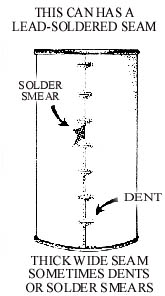

 symptoms of
lead poisoning before people. If your pet is unwell and a vet diagnoses lead poisoning,
you should see that ALL members of the household have a blood test for lead. Pets
should be kept outside and definitely off children’s beds because they collect lead
dust on their coats. Regular washing of the pet and handwashing for the family members is
important.
symptoms of
lead poisoning before people. If your pet is unwell and a vet diagnoses lead poisoning,
you should see that ALL members of the household have a blood test for lead. Pets
should be kept outside and definitely off children’s beds because they collect lead
dust on their coats. Regular washing of the pet and handwashing for the family members is
important. ARE
YOU AT RISK?
ARE
YOU AT RISK? The
Global Lead Advice & Support Service will give free telephone service, free written
material and free community workshops and meetings to parents. We will provide advice and
support about any lead related questions or concern that you may have. Advice such as:
where to have samples of paint, dust or soil analysed, how to take simple steps with diet
to reduce the absorption rate of lead, how to undertake a safe renovation or how to ensure
your tradesperson uses safe methods.
The
Global Lead Advice & Support Service will give free telephone service, free written
material and free community workshops and meetings to parents. We will provide advice and
support about any lead related questions or concern that you may have. Advice such as:
where to have samples of paint, dust or soil analysed, how to take simple steps with diet
to reduce the absorption rate of lead, how to undertake a safe renovation or how to ensure
your tradesperson uses safe methods.
