 |
|||
|
LEAD Action News Vol 2 no 2 Autumn 1994
ISSN 1324-6011 |
|||
|
About Us
|
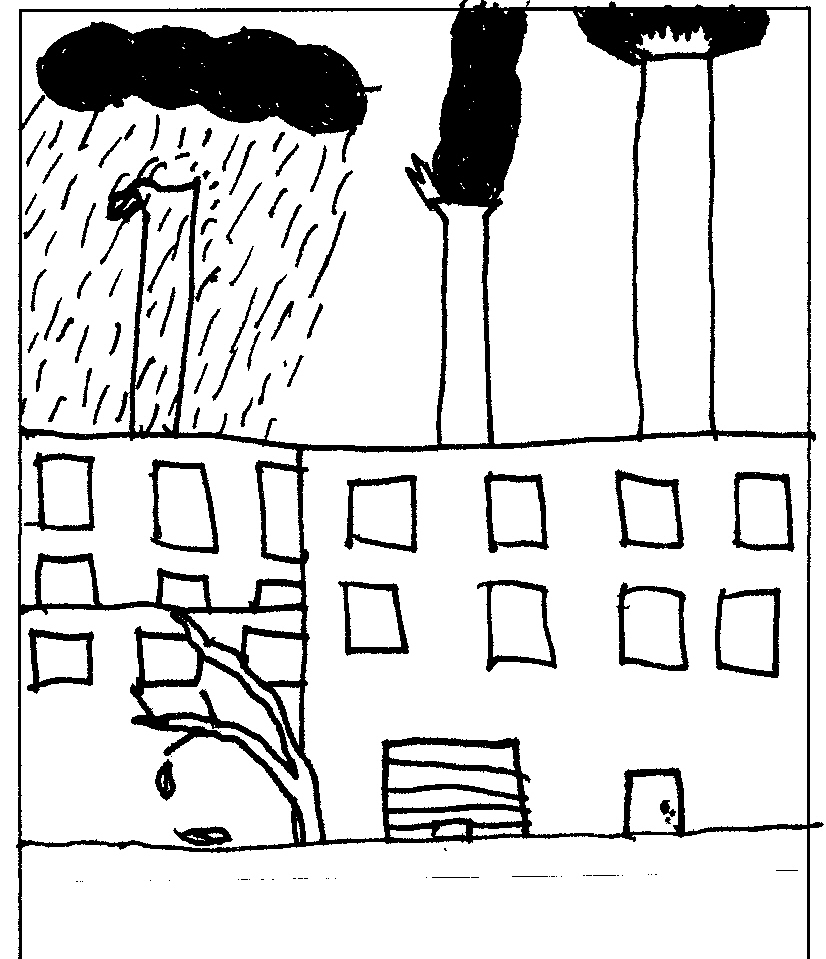
History of Lead part 2 by Christopher Winder This is the second of a series of articles by Dr. Winder on the history of lead. Reprinted with permission, from his book "The Developmental Neurotoxicity of Lead" MTP Press 1984. Part 1 | Part 2 | Part 3 | Part 4 The Industrial Revolution The huge increase in demand for lead caused by the Industrial Revolution brought about the problem of industrial disease, of which the most widespread was lead poisoning (Legge and Goadby, 1912). Women and children were employed indiscriminately in all lead processes, including the highly dangerous jobs of pottery glazing, smelting of lead ores and manufacture of lead compounds, particularly white lead (Hunter, 1975). In 1883, the first act of Parliament directed against a specific occupational disease, the Factories (Prevention of Lead Poisoning) Act, was passed. This required lead factories to conform to prescribed standards. After 1900, intensive studies of industrial hygiene in the lead trades were carried out by such pioneers as Oliver, Legge and Goadby in Britain, Meillere in France and Hamilton in the USA. As a result, a large body of legislation was passed to safeguard workers and to compensate them for their disabilities. In Great Britain, the work of the first Medical Inspector of the Factories Inspectorate, Dr T. M. Legge actively investigated the question of lead poisoning from 1892 onwards, with the result that notification was enjoined by section 29 of the Factory and Workshop Act (1895), which consequently became section 73 of the Act of 1901. This enactment requires every medical practitioner attending on or called to see a patient believed to be suffering from lead poisoning contracted in a factory or workshop, to notify the case forthwith to the Chief Inspector of Factories at the Home Office. A similar obligation was imposed on the owner or manager of a factory or workshop to send written notice of such cases to the local Factories Inspector. Following this, a gratifying fall occurred in the incidence of this disease. Lead encephalopathy virtually disappeared from industry, and it was unusual to find cases of severe colic or extensive palsy. The cases that did arise were few and mild (Legge & Goadby, 1912). This decline is especially marked when it is remembered that during this period consumption of lead increased steadily. Present day lead pollution In the last 60 years, significant numbers of cases of lead poisoning have come from the extensive sue of alkylated lead compounds tetra methyl and tetra ethyl lead (TML and TEL). From 1923, when TEL was first added to petrol as an antiknock agent, cases of lead poisoning associated with its use began to appear, causing considerable alarm. The cleaning of storage tanks and indiscriminate handling of TEL by workers and chemists caused numbers of deaths, and its manufacture was prohibited in 1925, pending investigation by the US Public Health Service. Awareness of the toxicity of TML and TEL, their rapid absorption across skin and lungs and the establishment of more stringent safety precautions in the manufacturing industries allowed their reintroduction in 1926. Organolead compounds were introduced into Britain against opposition during the 1930s when it was established that their addition to petrol was not a serious health hazard (Kehoe et al., 1934). In summary, lead poisoning as a recognizable clinical condition has become rare in recent times, due to .the introduction of stringent safety precautions in industry and restrictions elsewhere. It is salutary that the number of deaths attributable to this cause has fallen to a very low figure during the course of this century. However, the use of lead is still increasing and there has been much speculation in recent years as to whether the massive release of lead into the environment consequent to its addition to petrol is having an adverse effect on public health. Part 1 | Part 2 | Part 3 | Part 4
|
||
|
About
Us |
bell
system lead poisoning |
Contact Us
| Council
LEAD Project | egroups | Library
- Fact Sheets | Home
Page | Media Releases Newsletters | Q & A | Referral lists | Reports | Site Map | Slide Shows - Films | Subscription | Useful Links | Search this Site |
|||
| Privacy Policy | Disclaimer | |||
|
Last
Updated 01 November 2012
Copyright © The LEAD Group Inc. 1991- 2012 PO Box 161 Summer Hill NSW 2130 Australia Phone: +61 2 9716 0014 |
|||