 |
|||||
| LEAD
Action News vol 9 no 1, August, 2008, Revised
Version February, 2012, ISSN 1324-6011 Incorporating Lead Aware Times ( ISSN 1440-4966) and Lead Advisory Service News ( ISSN 1440-0561) The Journal of The LEAD (Lead Education and Abatement Design) Group Inc. Editor-in-Chief: Tony Lennon |
|||||
|
About Us
|
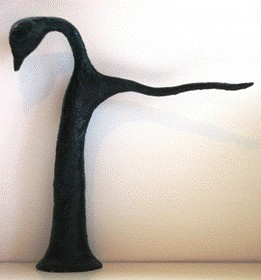
Monument To Birds Birds are turning to lead in the port of Esperance in Western Australia.
One of the birds tested was found to have 750 mg per kilo in its feathers which Dr Dunlop described as ‘mineable grade’. The report found that the feathers of birds tested contained lead levels 10 to 100 times the background readings. The lead carbonate is sticking to the bird’s feathers and when they preen themselves they fatally consume the poisonous substance. The export of lead carbonate, by Magellan Metals, through the port of Esperance was stopped in March 2007 and a Parliamentary Inquiry Report later found that 9,500 native birds had been fatally poisoned by the company’s lead concentrate. The report shows that the 1993 establishment of a world’s best practice clean dust free port in Esperance is in tatters and that the clean up of the environment is going to be a costly and difficult job. See the West Australian newspaper article Lead levels in Esperance birds highest in world and the Esperance parliamentary inquiry follow-up fact sheet: Where to from Here?? written for The LEAD Group by Michelle Crisp who first reported the dead birds to the authorities. Because all the lead carbonate ore that passed through Esperance Port went on to Chinese ports (apparently with no warning or news of the bird deaths), Dr Hugh Xin Xi Zhu kindly translated Michelle’s factsheet into Chinese |
||||
|
About
Us |
bell
system lead poisoning |
Contact Us
| Council
LEAD Project | egroups | Library
- Fact Sheets | Home
Page | Media Releases Newsletters | Q & A | Referral lists | Reports | Site Map | Slide Shows - Films | Subscription | Useful Links | Search this Site |
|||||
| Privacy Policy | Disclaimer | |||||
|
Last
Updated 15 February 2012
Copyright © The LEAD Group Inc. 1991- 2012 PO Box 161 Summer Hill NSW 2130 Australia Phone: +61 2 9716 0014 |
|||||